
BigCommerce Expert: Roles, Costs & Hiring Tips for 2026
Need a BigCommerce expert? Learn what they do, when to hire one, and how JMB helps Capital Region businesses fix or build ecommerce stores today.

A BigCommerce expert is usually the fastest way for a small business to fix a broken checkout, a confusing product page, or a mobile layout that falls apart on phones. Many Capital Region store owners reach this point after a theme update, an app conflict, or a previous contractor's unfinished work leaves the storefront unreliable. This guide covers exactly what a BigCommerce expert does, the different types of specialists available, how much they cost, the skills worth checking before you hire, and when a scoped repair beats a full rebuild.
Quick answer: A BigCommerce expert is a developer, freelancer, or agency with hands-on experience fixing, customizing, and maintaining BigCommerce storefronts. Most small businesses need one for an isolated problem — a broken checkout flow, a mobile layout issue, or an outdated theme — rather than a brand-new website from scratch.
A BigCommerce expert reviews storefront settings before recommending any fixes.
What Is a BigCommerce Expert?
A BigCommerce expert is someone who understands BigCommerce's themes, apps, and checkout configuration well enough to diagnose problems without guessing. In practice, this usually means a freelance developer, a small agency, or an owner-led web design business that has worked inside the platform long enough to recognize common failure points.
Unlike a basic drag-and-drop website builder, BigCommerce manages inventory, tax rules, shipping calculations, and payment processing behind the scenes. Therefore, fixing one visible problem — such as a broken "Add to Cart" button — sometimes requires tracing the issue back to an app conflict or an outdated theme file. A qualified expert knows where to look first, instead of trial-and-error testing that wastes time and money.
Types of BigCommerce Developers: Front-End, Back-End & Full-Stack
Not every BigCommerce developer does the same job. Specifically, most fall into one of three categories, and knowing the difference helps you hire the right person the first time.
- Front-end (Stencil) developers work with BigCommerce's Stencil framework, the templating system that controls how a storefront looks and behaves. They handle layout, mobile responsiveness, and theme customization.
- Back-end and API developers connect BigCommerce to outside systems using its Storefront API and GraphQL Storefront API — tools that let software exchange data automatically, such as syncing inventory with an accounting platform.
- Full-stack BigCommerce experts handle both sides, which is common among small agencies and solo freelancers who serve businesses needing one point of contact for an entire project.
For most small businesses dealing with a single broken feature, a front-end specialist or a full-stack generalist is usually sufficient. In contrast, larger integration projects — like connecting BigCommerce to a point-of-sale system — typically call for someone comfortable with the API side as well.
Signs Your Store Needs a BigCommerce Specialist
Not every website hiccup requires a deep platform specialist. However, certain warning signs usually mean it is time to bring in outside help rather than attempt a fix alone.
- Contact or checkout forms stop submitting after a theme or app update.
- Product pages or navigation menus look broken on mobile devices.
- Links to discontinued products or old pages return 404 errors.
- Calls-to-action are unclear, buried, or missing entirely.
- Hours, pricing, or service details are outdated and misleading customers.
For example, a business owner in Albany recently discovered their contact form had been silently failing for weeks, meaning every inquiry disappeared instead of reaching an inbox. In particular, this kind of issue is easy to miss without regular testing, which is exactly why a focused review matters.
Essential Skills a Qualified BigCommerce Expert Should Have
Before hiring, it helps to know which skills actually matter. Above all, a capable BigCommerce expert should be comfortable with the following:
- Stencil and Handlebars: Stencil is BigCommerce's theme engine, and Handlebars is the templating language it uses to display dynamic content like product prices and inventory counts.
- BigCommerce APIs: familiarity with the Storefront API and webhooks (automatic notifications sent when something changes, such as a new order) is essential for custom integrations.
- App ecosystem knowledge: understanding which third-party apps commonly conflict with each other saves significant diagnostic time.
- Headless commerce basics: a growing number of stores separate the front-end design from the back-end store logic, a setup often called headless commerce, which requires additional front-end framework experience such as React.
- Mobile-first testing habits: since most shoppers browse on phones, a qualified expert checks every fix across multiple screen sizes before calling it done.
Consequently, asking a candidate to explain these concepts in plain language is itself a useful screening test. If they cannot describe what Stencil or a webhook does without jargon, that is a signal worth noting.
Where to Find a BigCommerce Expert
Once you know what skills to look for, the next question is where to look. In general, small businesses find BigCommerce help through four main channels:
- BigCommerce's own partner directory, which lists agencies that have met the platform's certification requirements.
- Freelance marketplaces such as Upwork or Toptal, which work well for small, clearly scoped fixes.
- Local web design agencies that handle multiple platforms and offer ongoing support relationships, not just one-off projects.
- Referrals from other business owners, which often reveal who actually delivers versus who just advertises well.
Meanwhile, Capital Region businesses often prefer a local partner who understands both the technical side and the practicalities of running a regional small business, which is why many compare national freelance platforms against a nearby, owner-led option before deciding.
BigCommerce Partner Program and Certification: Why It Matters
BigCommerce operates an official partner program that recognizes agencies meeting specific technical and performance standards. In particular, partner status can indicate a track record of successful projects, but it is not the only signal worth checking.
For a small, isolated repair — like a broken form or a dead link — formal certification matters far less than a clear written scope and a track record of testing fixes thoroughly. On the other hand, for a complex migration or a custom app integration, working with a certified partner reduces the risk of overlooking platform-specific requirements. Either way, ask directly whether a provider is certified and, if so, request a case study showing similar work.
What a BigCommerce Expert Actually Does Day to Day
A BigCommerce expert's work generally falls into diagnostics, repair, and testing. First, they review the live site to confirm what is actually broken versus what simply looks outdated. Next, they isolate the cause, whether that is a theme conflict, an outdated plugin, or a setting changed during a previous update.
Consequently, most engagements follow a similar pattern: back up the site, make the agreed changes, test thoroughly across devices, and summarize what changed before anything goes live. This structure protects the business owner from unexpected surprises and gives them a clear record of exactly what was fixed.

Testing mobile layouts is a routine part of any ecommerce website repair.
In-House vs. Freelancer vs. Agency: Which BigCommerce Expert Fits?
Choosing how to staff this work matters as much as choosing who does it. Here is how the three main options compare:
- In-house hire: best for large stores with constant, ongoing development needs. However, the salary and benefits cost rarely makes sense for a small business with occasional fixes.
- Freelancer: cost-effective for small, well-defined tasks. In contrast, availability can be inconsistent, and quality varies widely between individuals.
- Agency or owner-led studio: offers more accountability than a solo freelancer and more flexibility than a full-time hire, which is why it is the most common choice for small businesses needing periodic repairs plus occasional larger projects.
Overall, most small Capital Region businesses land on the third option, since it balances cost, reliability, and access to broader web design support beyond just BigCommerce-specific fixes.
BigCommerce Expert vs. Full Rebuild: How to Decide
Deciding between a scoped repair and a complete rebuild comes down to one question: can the existing structure still support your business, or has it become a liability? If the core site works but specific elements are broken, outdated, or confusing, a focused repair is typically faster and far less expensive than starting over.
On the other hand, if the site cannot support new products, lacks mobile responsiveness at a structural level, or was built on an outdated framework, a custom rebuild becomes the more realistic option. According to Google's own research on mobile performance, over half of visitors abandon a mobile page that takes longer than three seconds to load, which means a slow, aging storefront can quietly cost real sales every single day (source: web.dev, Google).
How a Scoped Website Rescue Supports Ecommerce Sites
JMB Business Solutions does not position itself as a BigCommerce-certified agency, but its Website Rescue service directly addresses many of the same front-end problems that ecommerce store owners run into: broken contact forms, unreadable mobile layouts, dead links, unclear calls-to-action, and outdated content. These issues are platform-independent, meaning they affect BigCommerce stores just as often as any other type of small-business site.
Each Website Rescue engagement starts with a backup of the site and a written scope limited to an agreed number of fixes or labor hours. Jon, the owner, reviews the site personally, confirms the scope directly with the client, and finishes with a before-and-after summary before anything goes live. Nothing beyond that agreed scope proceeds without approval first, which keeps pricing predictable for business owners who have been burned by open-ended contractor bills before.
For businesses whose current site can no longer support growth, including those outgrowing their existing storefront structure, JMB also designs and builds complete custom websites, quoted separately from the repair offer. Store owners exploring ecommerce-specific builds can review JMB's ecommerce design services to see how that scoping conversation typically starts.
How to Hire the Right BigCommerce Expert
Finding the right person for the job does not have to be complicated. The following steps help small business owners avoid both overpaying and losing control of project scope.
- List every known problem. Write down every issue you have noticed, such as broken forms, slow load times, dead links, or outdated product pages, so the expert can review a complete picture.
- Verify BigCommerce-specific experience and certification. Ask for examples of past BigCommerce projects and check whether the provider holds official partner status for larger or more technical work.
- Request a site review before any quote. Ask for a diagnosis of the root cause before agreeing on price, since guessing at scope often leads to incomplete fixes.
- Ask targeted technical questions. Have the candidate explain, in plain language, how they would approach a broken checkout or a theme conflict to confirm real hands-on experience.
- Get a written scope and fix count. Confirm exactly how many fixes or labor hours are included and what would require a separate quote.
- Confirm a backup will be taken first. Make sure the site is backed up before changes begin, so it can be restored quickly if something unexpected happens.
- Review the before-and-after summary. Ask for a clear comparison confirming every agreed fix was tested and resolved before changes go live.
Interview Questions to Ask a BigCommerce Professional Before Hiring
In addition to checking portfolios, a short list of direct questions reveals a lot about a candidate's real experience:
- "Can you walk me through how you would diagnose a checkout that stopped working after an app update?"
- "How do you test a fix across different devices before calling it complete?"
- "What happens if the project takes longer than the original estimate?"
- "Can you show me a before-and-after example from a similar repair?"
- "Will you back up the site before making any changes?"
Specifically, a confident, specific answer to each of these questions is a far better signal than a polished sales pitch alone.
What Does a BigCommerce Expert Cost?
Pricing for a BigCommerce expert varies significantly depending on scope and hiring model. As a general guide:
- Freelancers typically charge $25–$75 per hour, with wide variance based on experience.
- Agencies and certified partners often charge $100–$250 per hour, reflecting team-based accountability and broader platform knowledge.
- Flat-fee repair packages, such as JMB's $495 Website Rescue covering up to five agreed fixes, give business owners a fixed reference point for small, scoped work.
- Full custom builds can run into the thousands, depending on the number of products, integrations, and custom design work involved.
Similarly, the U.S. Small Business Administration recommends that small businesses treat website maintenance as an ongoing budget line rather than a one-time expense, since outdated sites tend to accumulate small problems over time.
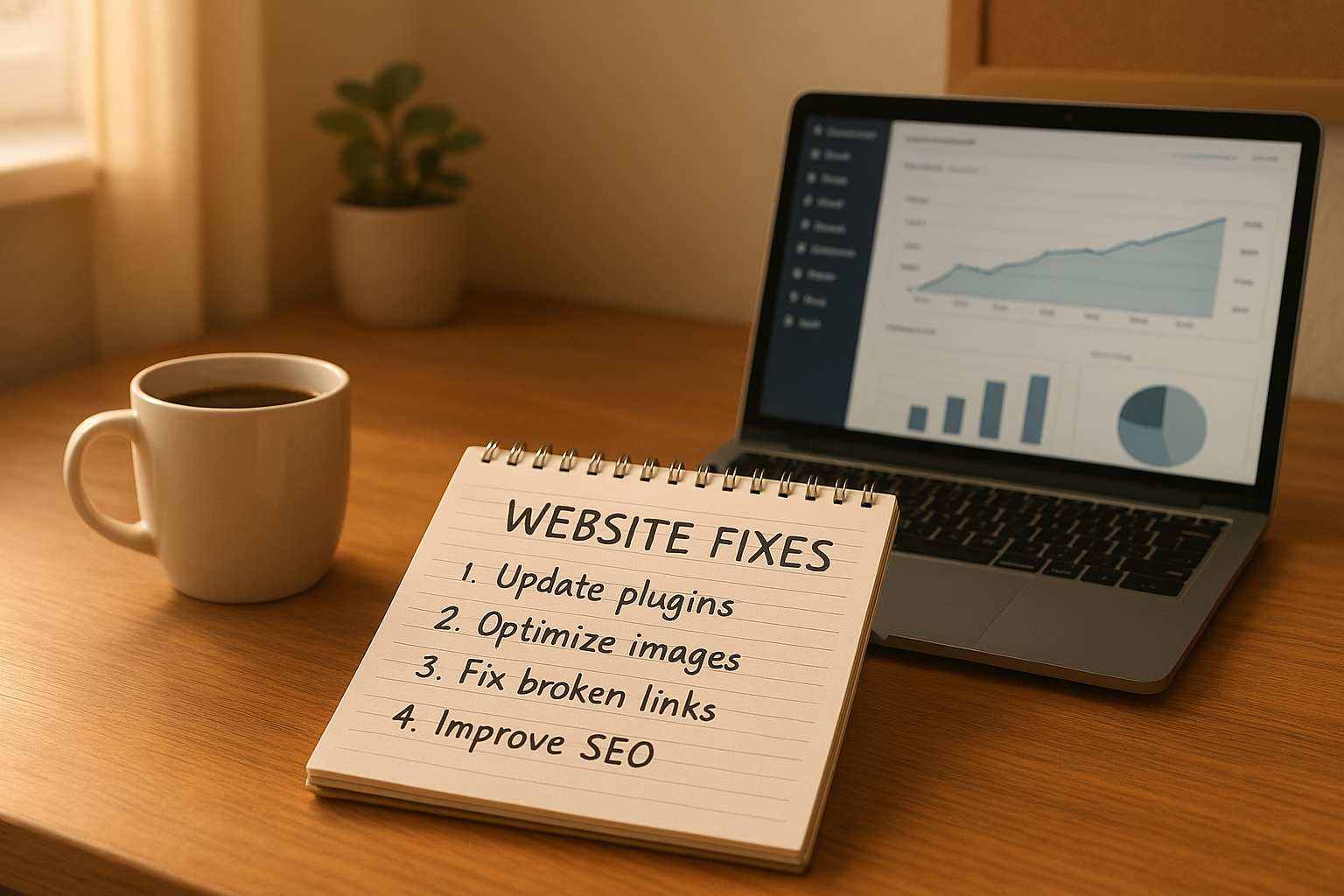
Listing known problems first makes it easier for a BigCommerce expert to scope the work accurately.
Common Mistakes When Hiring Ecommerce Help
Many business owners make the same avoidable mistakes when searching for ecommerce help. Above all, skipping a written scope tends to cause the most frustration, since it leaves room for disagreement about what was actually promised.
In addition, some owners assume every problem requires a full rebuild, when in reality a scoped repair solves the issue faster and at a fraction of the cost. Finally, failing to confirm whether a backup is taken before changes begin can turn a small fix into a major setback if something goes wrong mid-project. For a deeper look at common repair scenarios, see JMB's overview of the best website repair service for small businesses in Albany.
Frequently Asked Questions
What is a BigCommerce expert?
A BigCommerce expert is a developer or agency who understands BigCommerce's themes, apps, and backend settings well enough to fix problems or build new store functionality. They typically handle checkout errors, theme customization, app conflicts, and store performance issues.
How do I know if I need a BigCommerce expert or just a few website fixes?
If your issues are limited to a broken contact form, dead links, a messy mobile layout, or outdated content, a scoped repair service may solve the problem without full platform expertise. However, if the issue involves checkout logic, payment gateways, or custom BigCommerce apps, you likely need deeper platform experience.
Can a BigCommerce expert fix a broken contact form or checkout page?
Yes, a BigCommerce expert can usually repair broken forms, checkout errors, and contact page issues after reviewing the site's theme and connected apps. The exact fix depends on whether the problem is a theme conflict, an app update, or a misconfigured setting.
How much does a BigCommerce expert typically cost?
Costs vary widely based on the scope of work, ranging from a few hundred dollars for small fixes to several thousand for a custom storefront build. Many small businesses start with a scoped repair project before committing to a larger, separately quoted rebuild.
What is the difference between a BigCommerce expert and a general web designer?
A general web designer focuses on layout, branding, and content across many platforms, while a BigCommerce expert has deeper familiarity with that specific platform's apps, themes, and checkout rules. Many website repair professionals handle both front-end design fixes and platform-specific troubleshooting.
Does JMB Business Solutions work with BigCommerce stores?
JMB Business Solutions repairs common front-end issues on existing small-business websites, including broken contact forms, mobile layout problems, dead links, and outdated content, and also designs complete custom websites and ecommerce builds as separately scoped projects. For store-specific platform questions, JMB reviews the site first to confirm what is included.
How long does it take to fix common BigCommerce issues?
Small fixes like broken links, form errors, or mobile layout corrections often take a few hours once the scope is confirmed. Larger issues involving custom code or app conflicts can take several days depending on complexity.
What are the most common BigCommerce problems small businesses face?
Common problems include unreadable mobile layouts, dead or broken links, unclear calls-to-action, outdated product or service information, and contact or checkout forms that stop working after a theme or app update. These issues often go unnoticed until a customer reports them.
Should I rebuild my BigCommerce store or repair the existing one?
If the store's core structure still works and only specific elements are broken or outdated, a scoped repair is usually faster and more cost-effective. A full rebuild makes more sense when the site can no longer support growth, new products, or a better customer experience.
What should I ask before hiring a BigCommerce expert?
Ask what is included in the written scope, whether a backup is taken before changes, how many fixes or hours are covered, and what happens if more work is needed. Clear answers to these questions help avoid surprise costs later.
Can a BigCommerce expert help with mobile layout problems?
Yes, mobile layout issues are one of the most common requests, since themes and apps can break responsive design after updates. A qualified professional tests the site across multiple screen sizes before confirming the fix is complete.
Is BigCommerce a good fit for small businesses in Albany and the Capital Region?
BigCommerce can work well for small businesses that need built-in ecommerce features without managing extensive custom code. Local Capital Region businesses often pair the platform with a web design partner who can handle both front-end fixes and larger custom builds, such as the services outlined at jmbcreative.org.
What happens if my project needs more work than originally scoped?
Reputable providers pause and seek written approval before doing any work beyond the agreed scope or hours. This keeps pricing predictable and avoids the surprise invoices that make small business owners wary of outside developers.
Does BigCommerce certification or partner status matter when hiring?
Certification matters more for complex migrations and custom integrations than for small front-end fixes. Even so, asking about partner status and requesting relevant case studies is a reasonable step before any larger BigCommerce project.
What is the difference between Stencil development and headless BigCommerce development?
Stencil development uses BigCommerce's built-in theme templates for a traditional storefront, while headless development separates the front-end design from BigCommerce's backend using APIs, offering more customization at a higher technical cost. Most small businesses only need Stencil-level expertise.
Can I hire a BigCommerce expert for a single project instead of an ongoing retainer?
Yes, many providers, including scoped repair services, offer one-time, project-based engagements rather than requiring a long-term retainer. This approach suits businesses that only need occasional fixes rather than continuous development support.
Final Thoughts on Choosing a BigCommerce Expert
Choosing the right BigCommerce expert comes down to matching the scope of the problem with the right level of help. Small, isolated issues like broken forms, dead links, or a confusing mobile layout rarely require a full rebuild, and a scoped repair can resolve them quickly and affordably. Larger structural problems, on the other hand, call for a properly quoted custom build — ideally from a certified partner — rather than forcing a short-term fix onto a site that has outgrown its foundation.
Ultimately, the safest approach is to start with a written scope, confirm a backup is taken before any changes, verify relevant experience, and request a clear before-and-after summary once the work is done. Business owners in Albany and the surrounding Capital Region who want that kind of accountable, owner-led process can start with a consultation request at jmbcreative.org to find out whether a scoped repair or a custom rebuild is the right next step.